

Static electricity builds up on the surface of a material as a result of friction (triboelectricity) or the separation of different materials. When the potential difference becomes sufficiently high, the charge discharges rapidly to another object, generating a very brief but intense surge of current.
This discharge can occur:
• between a person and an object;
• between two electronic components;
• between surfaces and sensitive devices.
Why is ESD a problem?
In many sectors, ESD poses a critical risk because it can damage electronic components even without any immediate visible effects.
Main effects:
• immediate damage: failure of microchips or circuits;
• latent damage: the component appears to be working but deteriorates over time;
• intermittent failures: malfunctions that are difficult to diagnose;
• reduced product reliability.
Particularly sensitive sectors:
• electronics and semiconductors;
• automotive (electronic control units);
• aerospace and defence;
• medical devices;
• advanced industrial manufacturing.
How is static electricity generated?
The most common causes include:
• movement of people on insulated flooring;
• contact and separation of plastic or synthetic materials;
• handling of electronic components;
• friction between clothing and surfaces;
• low ambient humidity (which increases the risk of ESD).
How can ESD be prevented?
Prevention is based on creating a controlled, ESD-safe environment, in which electrostatic charges are dissipated gradually and safely.
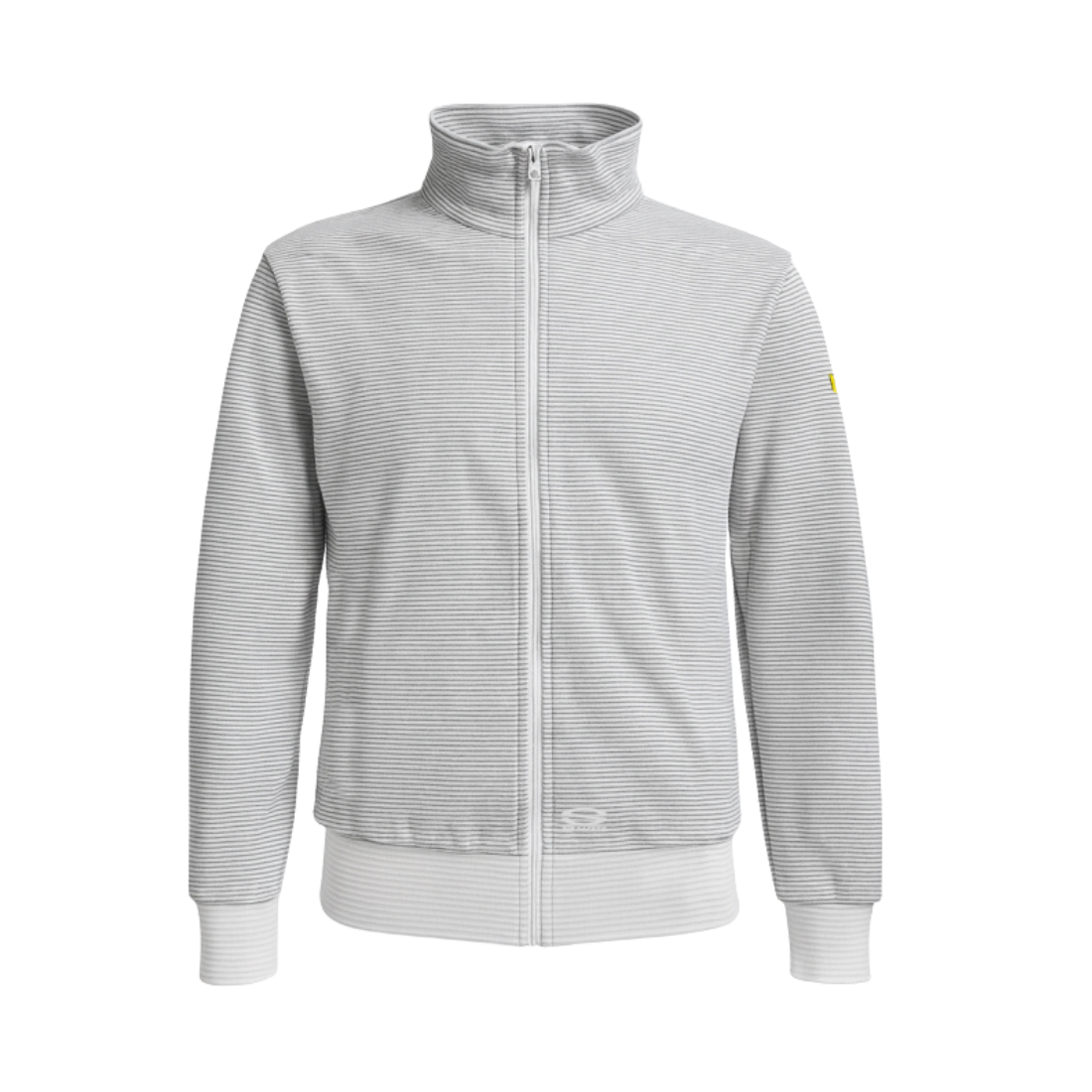
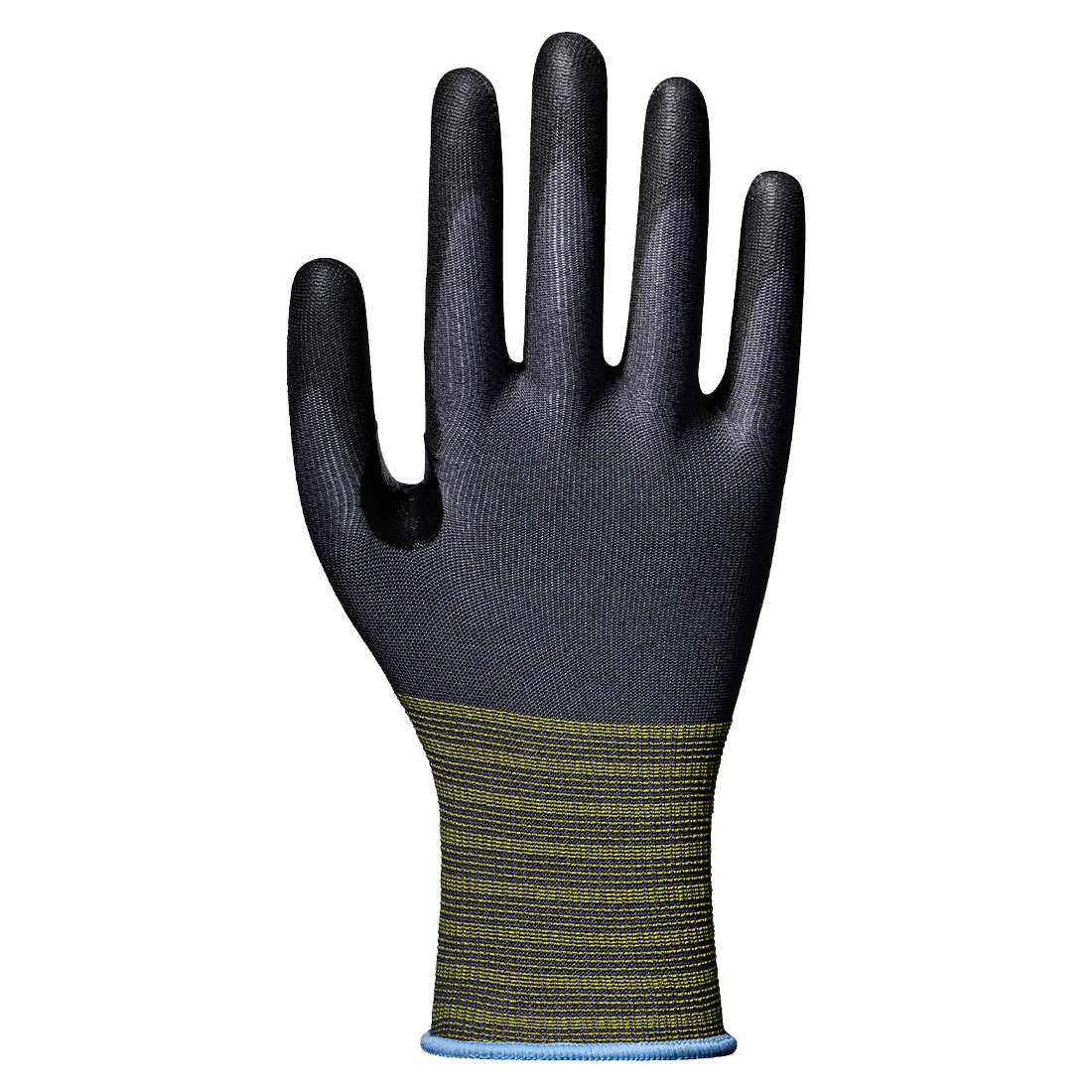
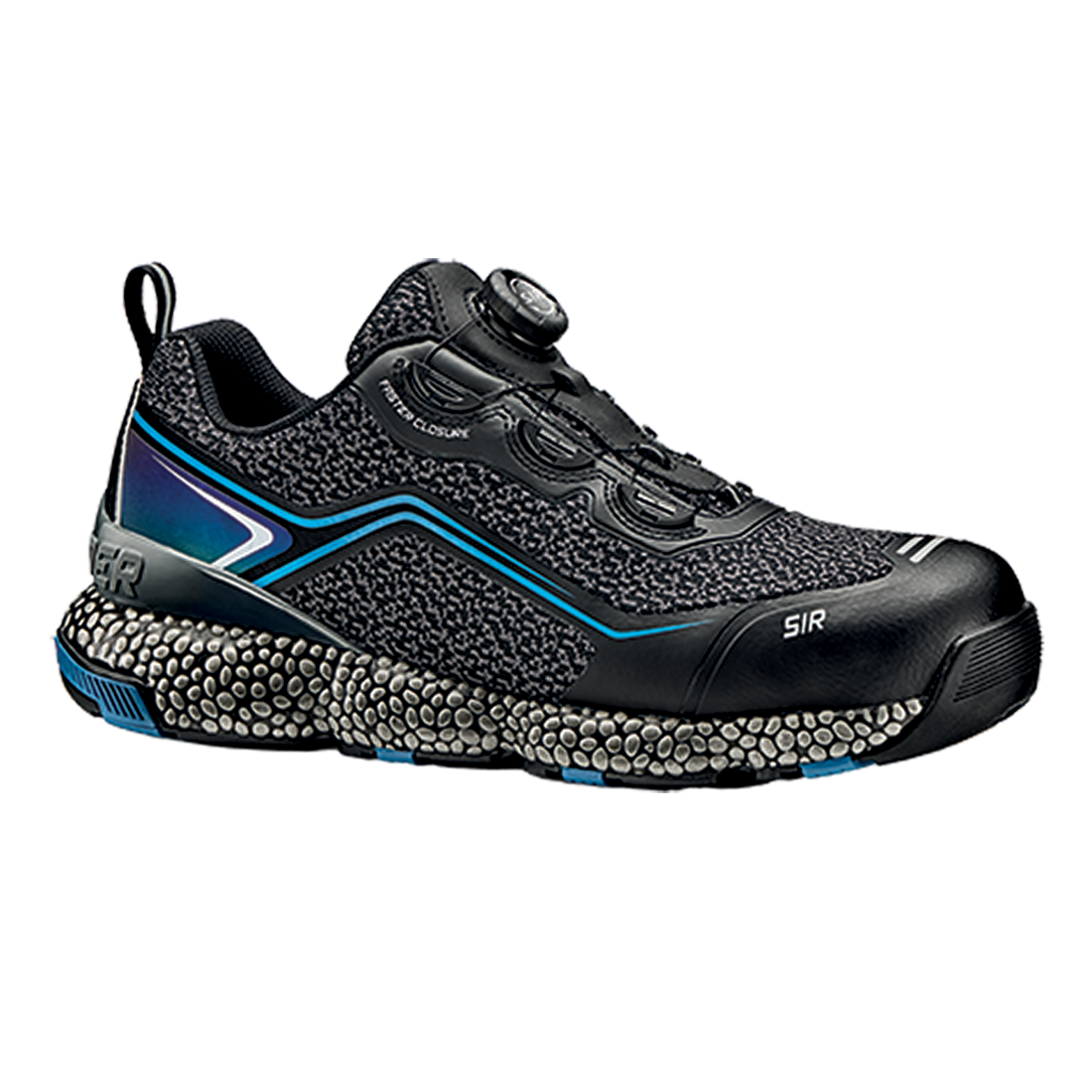
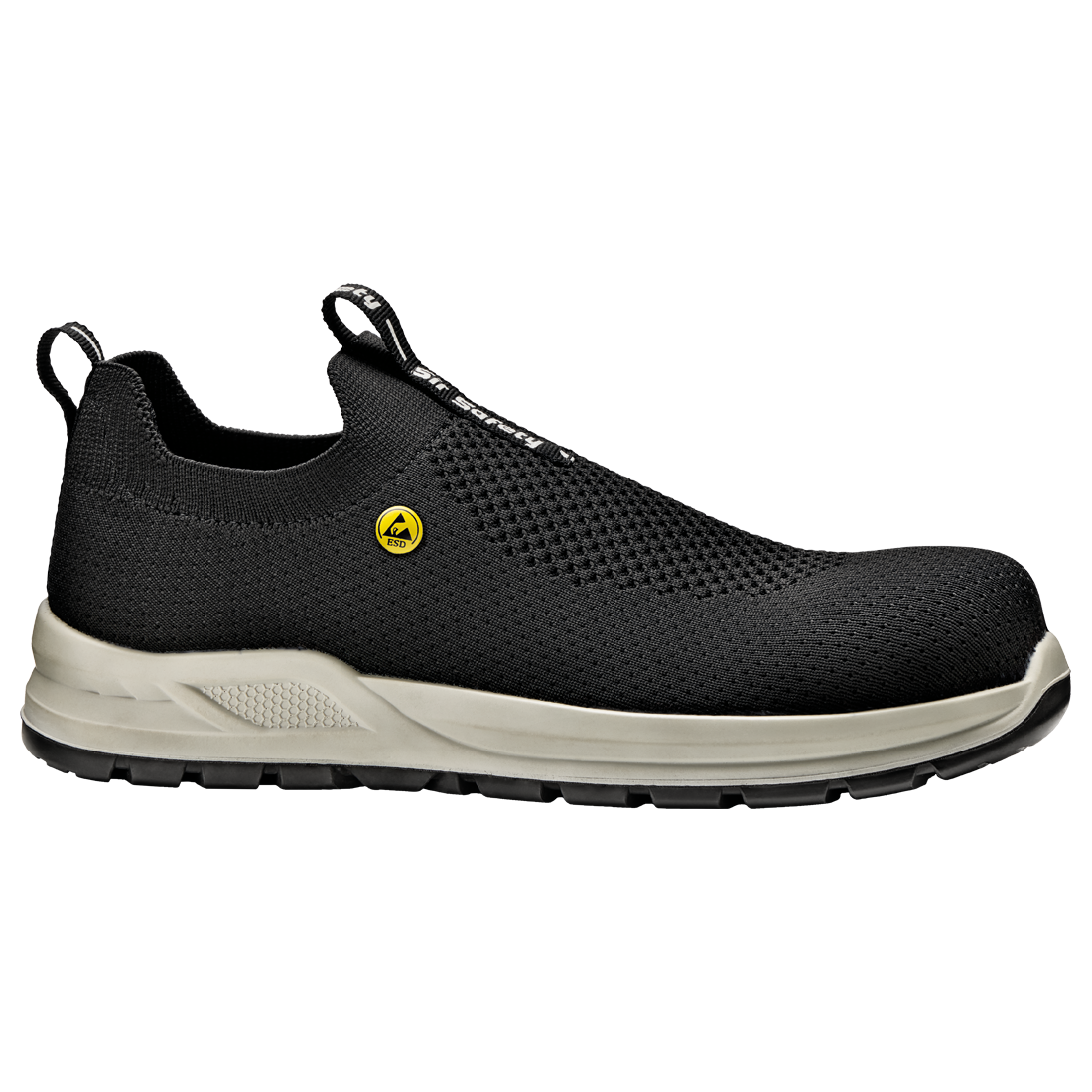
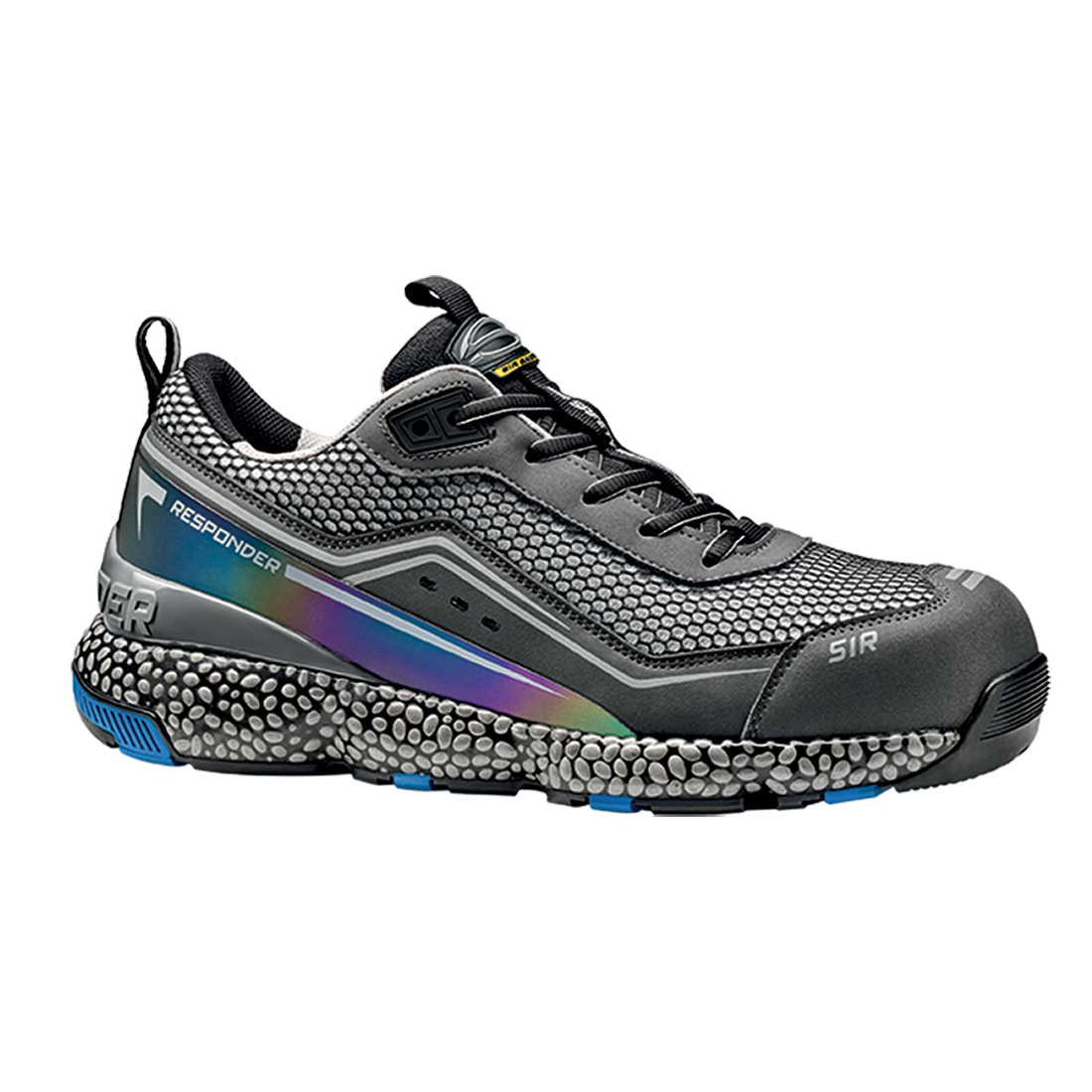
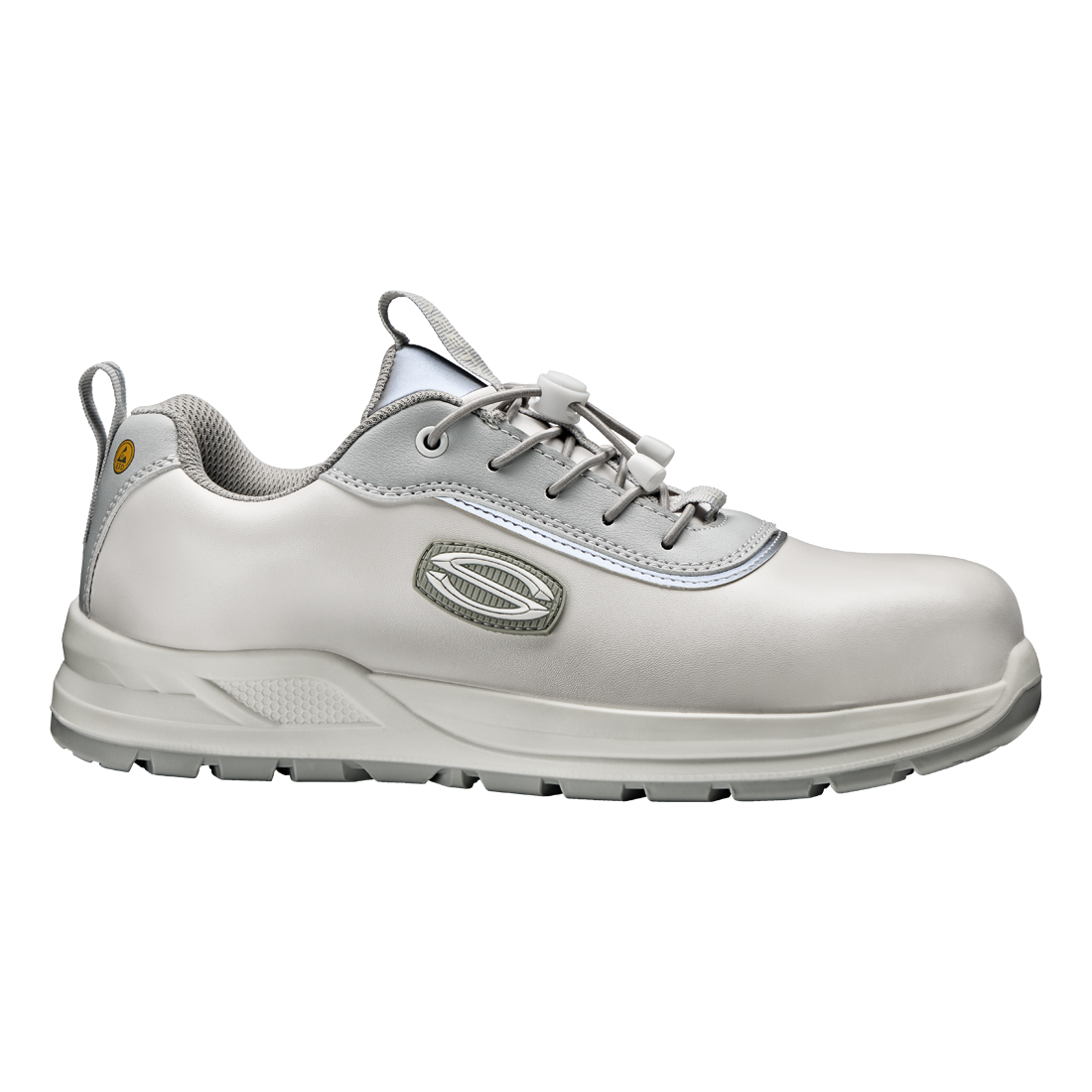
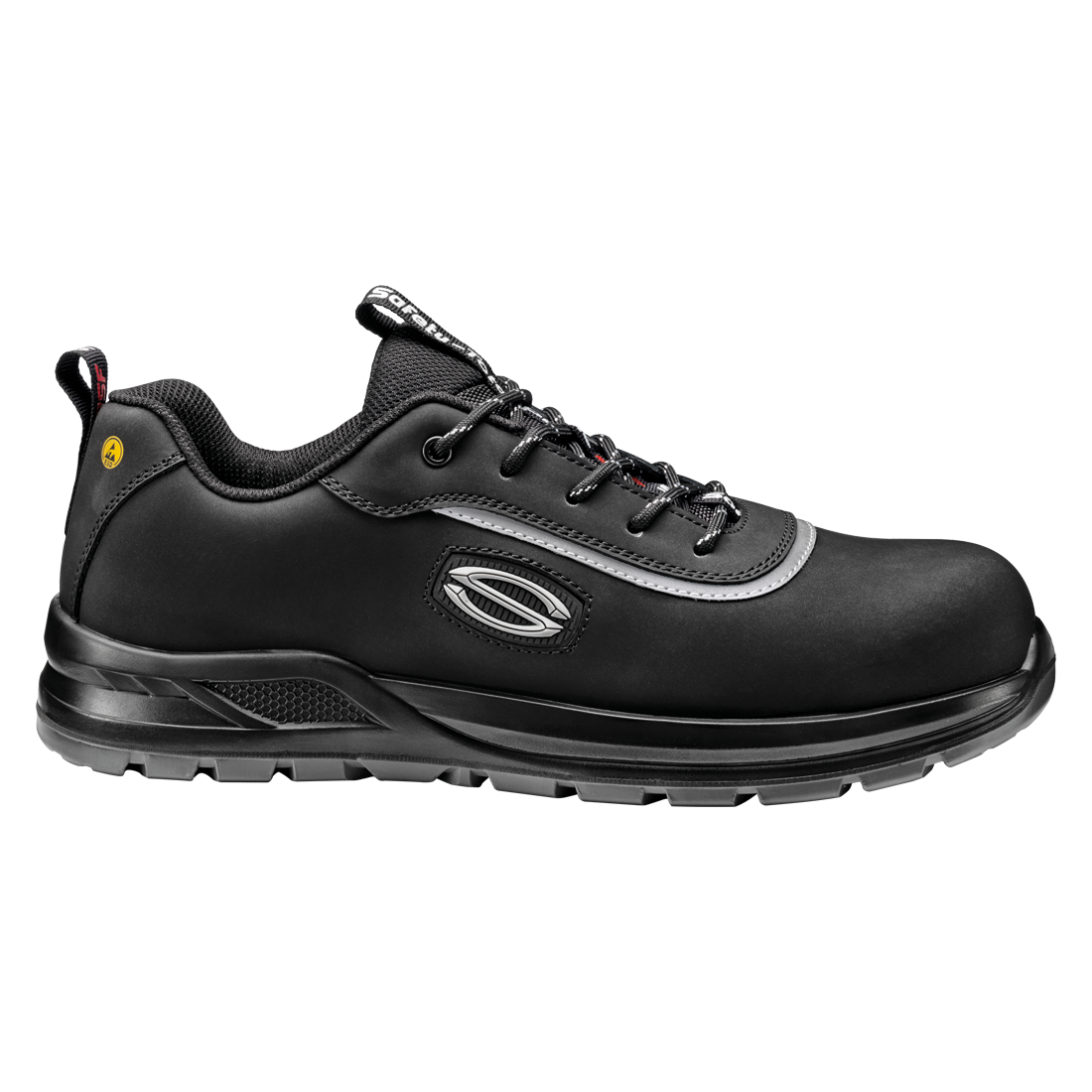
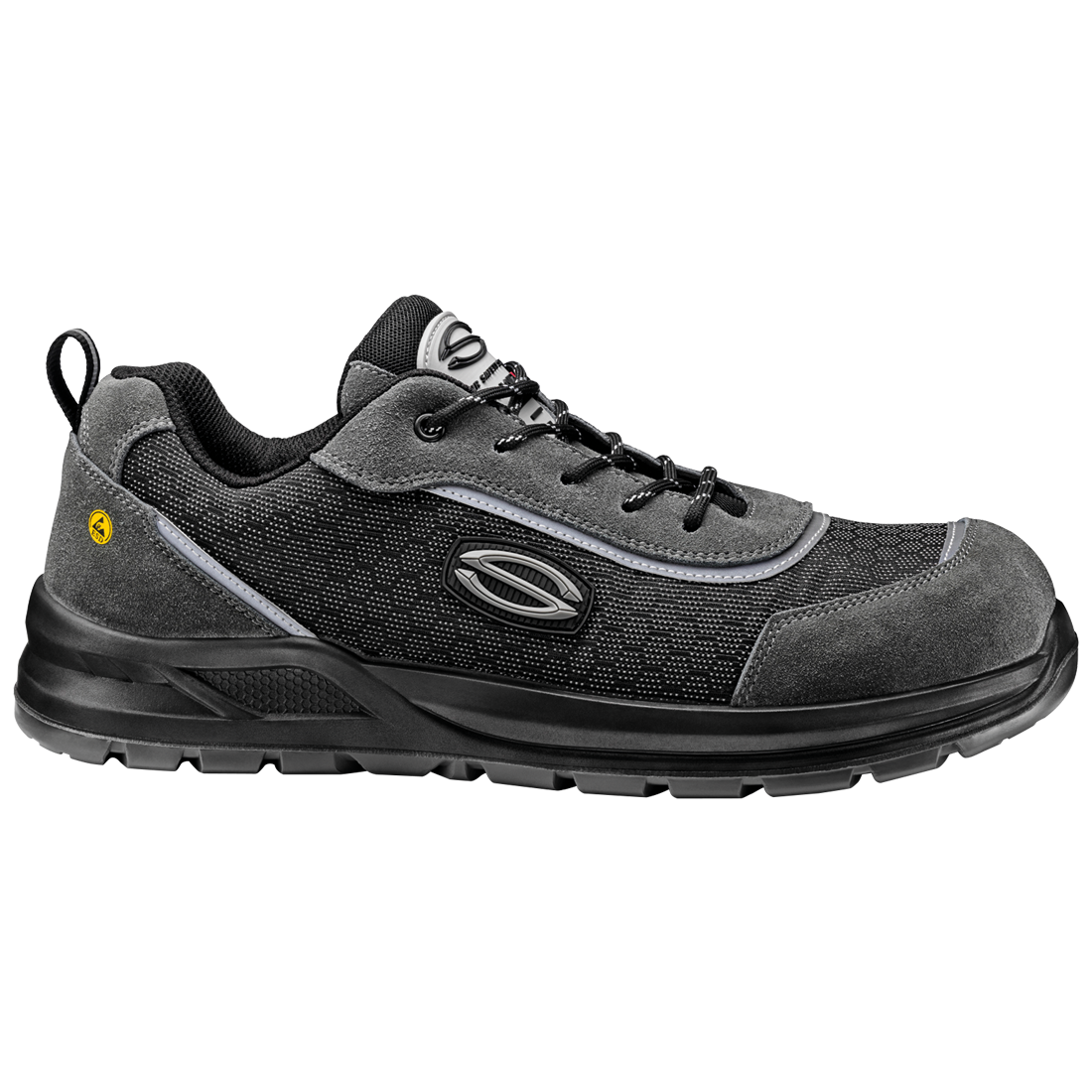
Key protective measures include the use of antistatic or dissipative footwear, clothing and gloves, designed to control and discharge electrostatic charges, thereby helping to protect sensitive components and equipment. These products must comply with standard EN 61340
What is the difference between ESD and antistatic PPE?
Personal Protective Equipment (PPE) is designed to protect the health and safety of the worker. ESD devices, on the other hand, are designed to protect product quality. If an electrostatic discharge damages a microchip, the worker is not injured, but the company suffers financial loss. Therefore, ESD-only equipment does not fall under PPE regulations.
Antistatic PPE
Antistatic PPE is designed to protect the worker. It limits the build-up of electrostatic charges on the human body to prevent a spark from triggering fires or explosions in hazardous environments.
ESD Products
ESD products, on the other hand, are designed to protect electronic components and sensitive equipment. Their conductivity is very precisely controlled to allow for the gradual dissipation of static electricity.
A single product (for example, a shoe or a lab coat) can be both ESD and antistatic PPE, but the two certifications operate independently; ESD compliance does not guarantee PPE compliance, and vice versa. To ensure that both the operator and the circuit are protected, the product must explicitly bear both markings. Generally, PPE compliance is indicated by a certificate, whilst ESD compliance is indicated by a separate certificate.
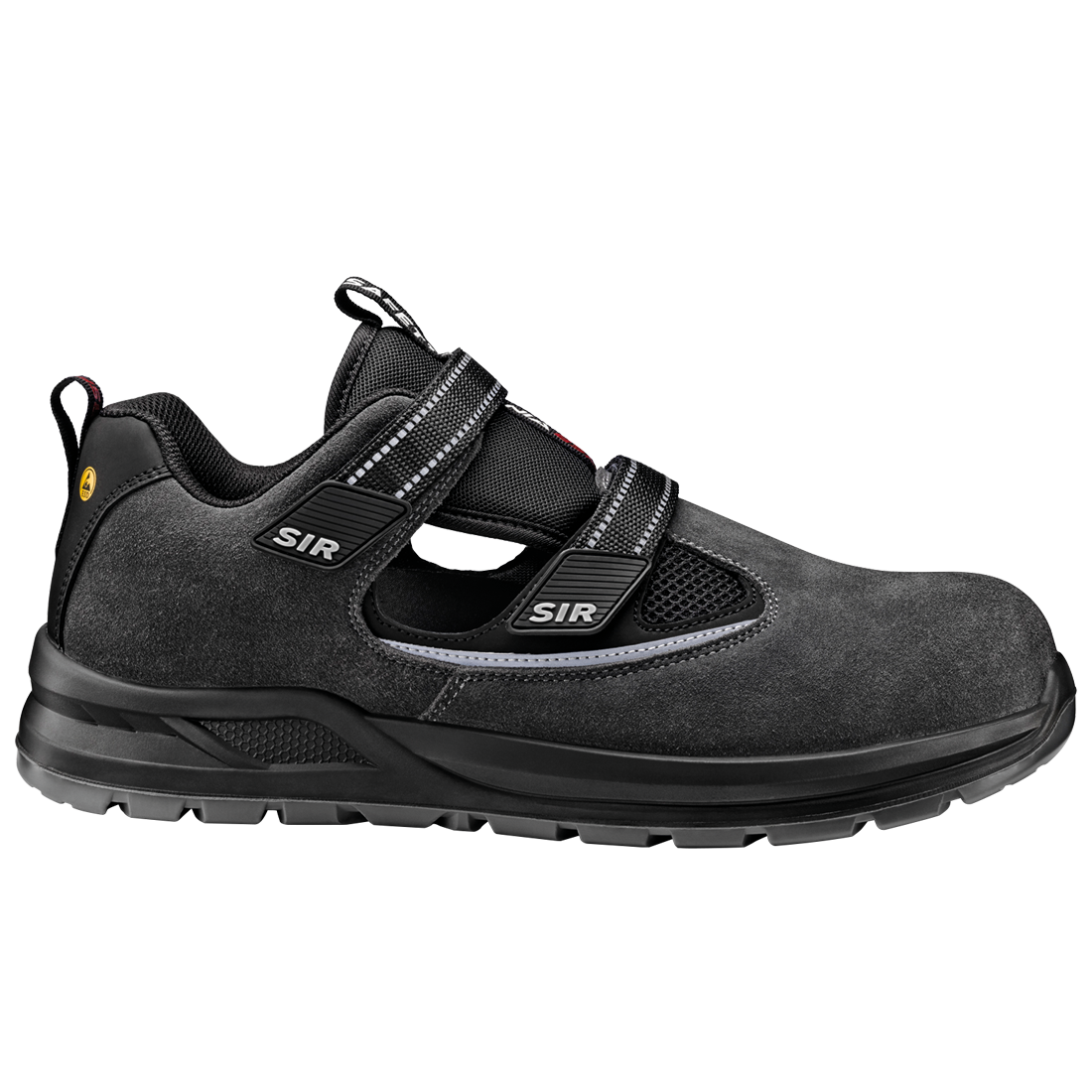
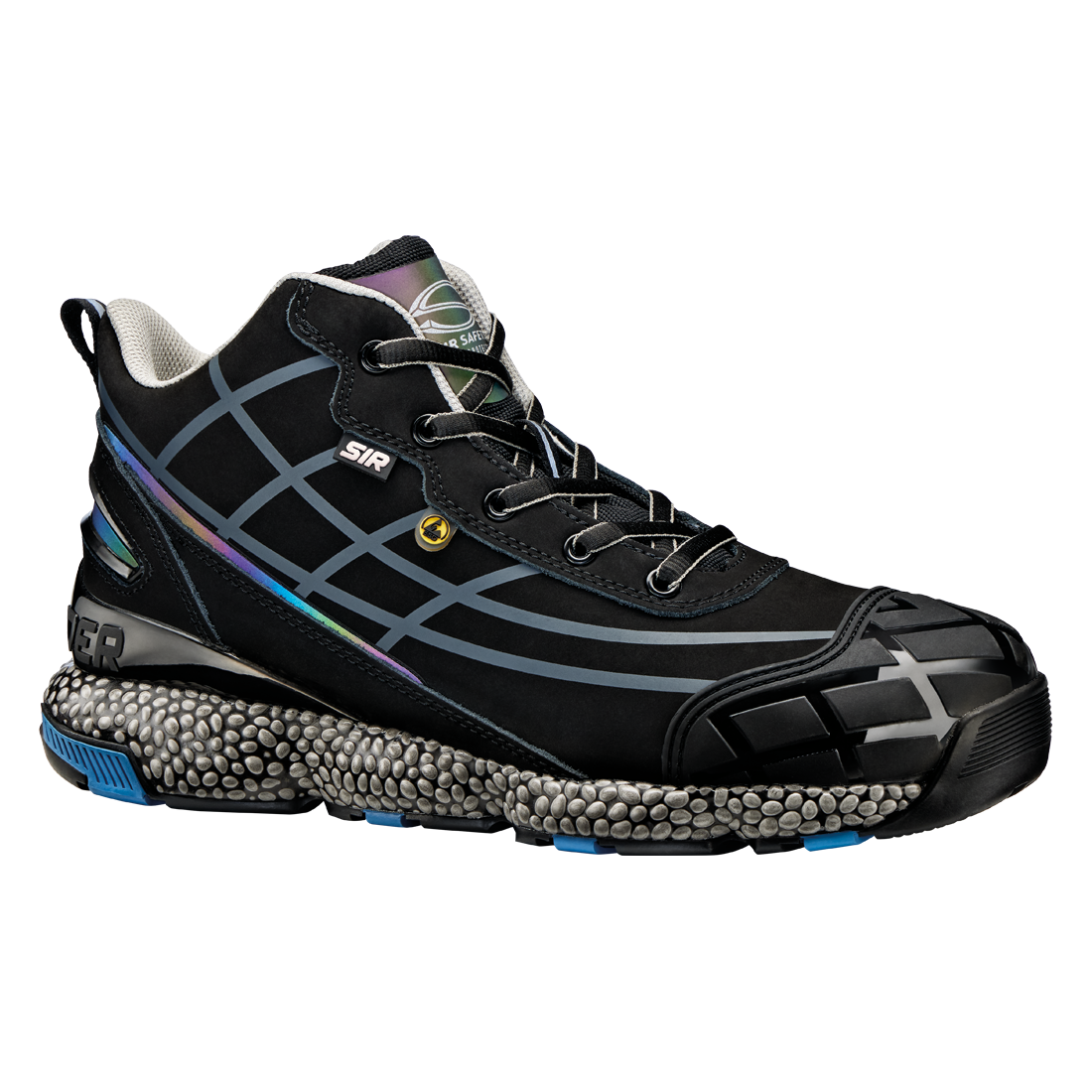
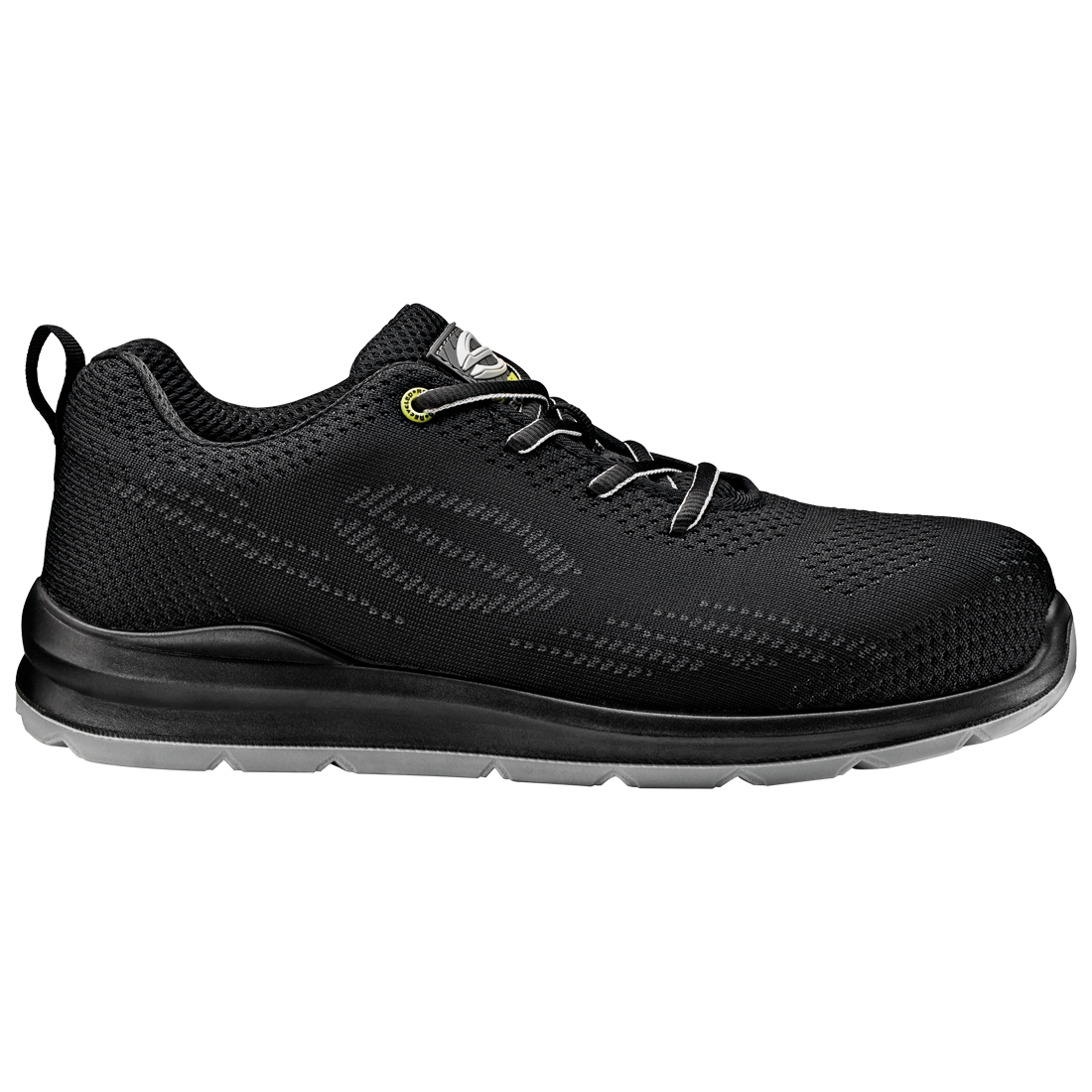
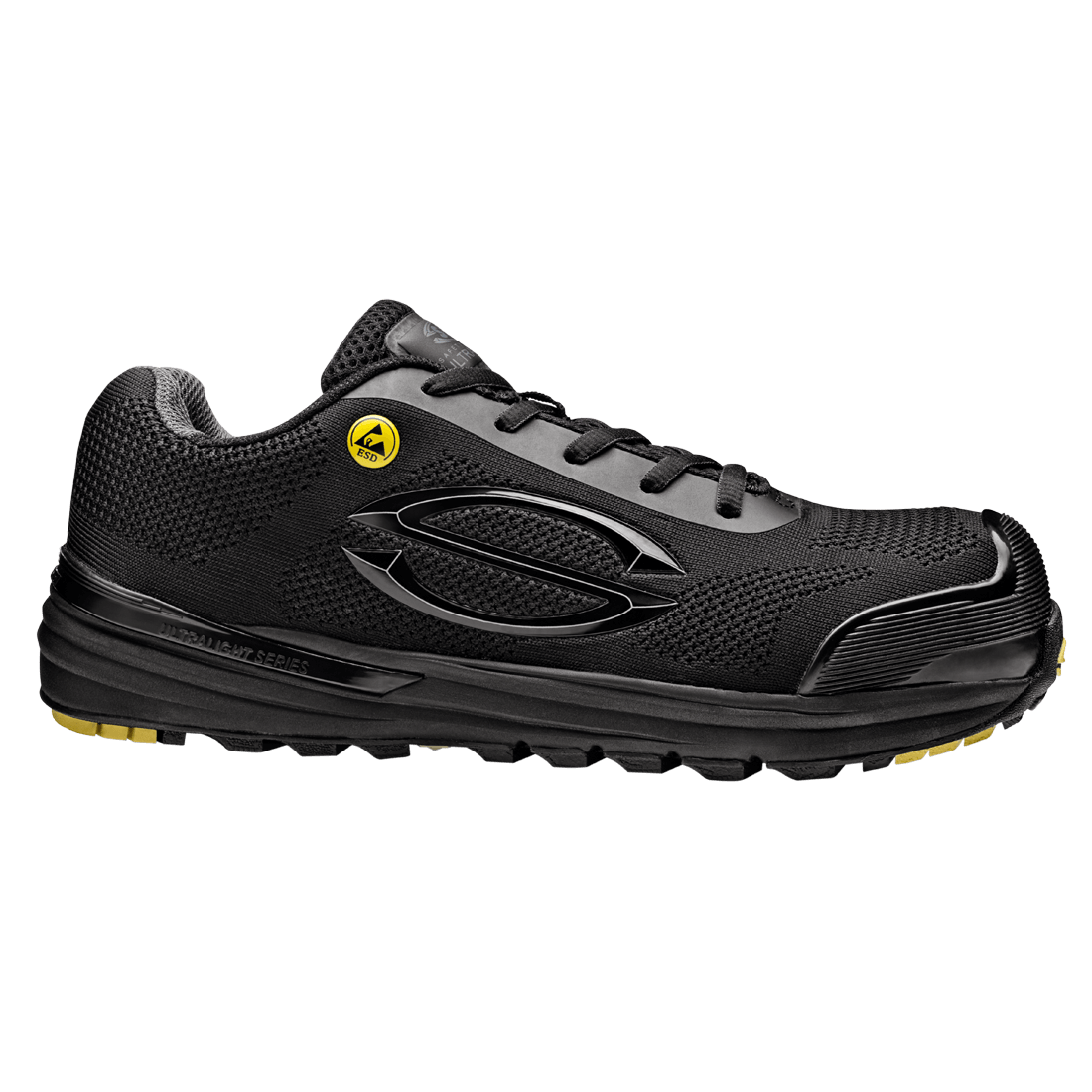
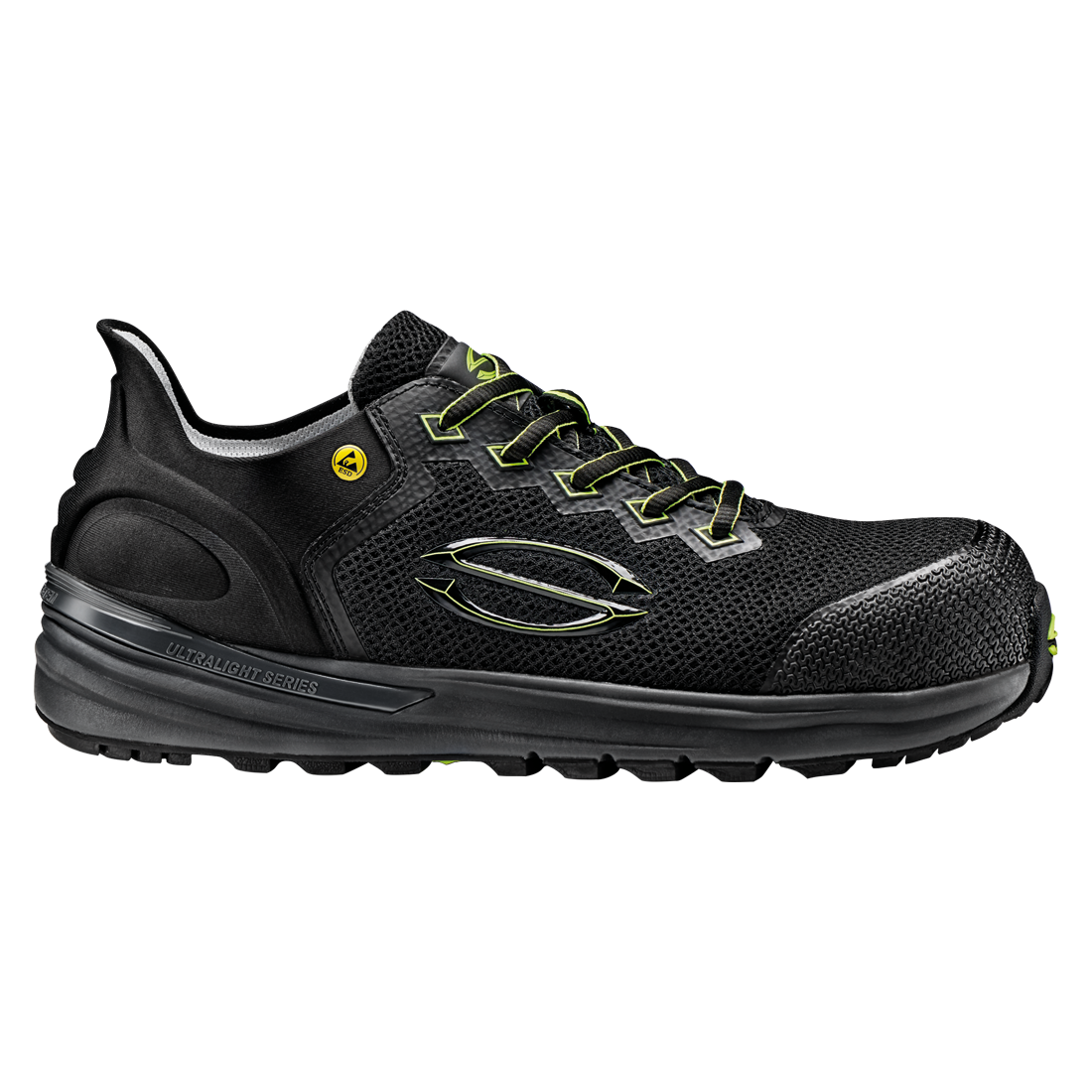
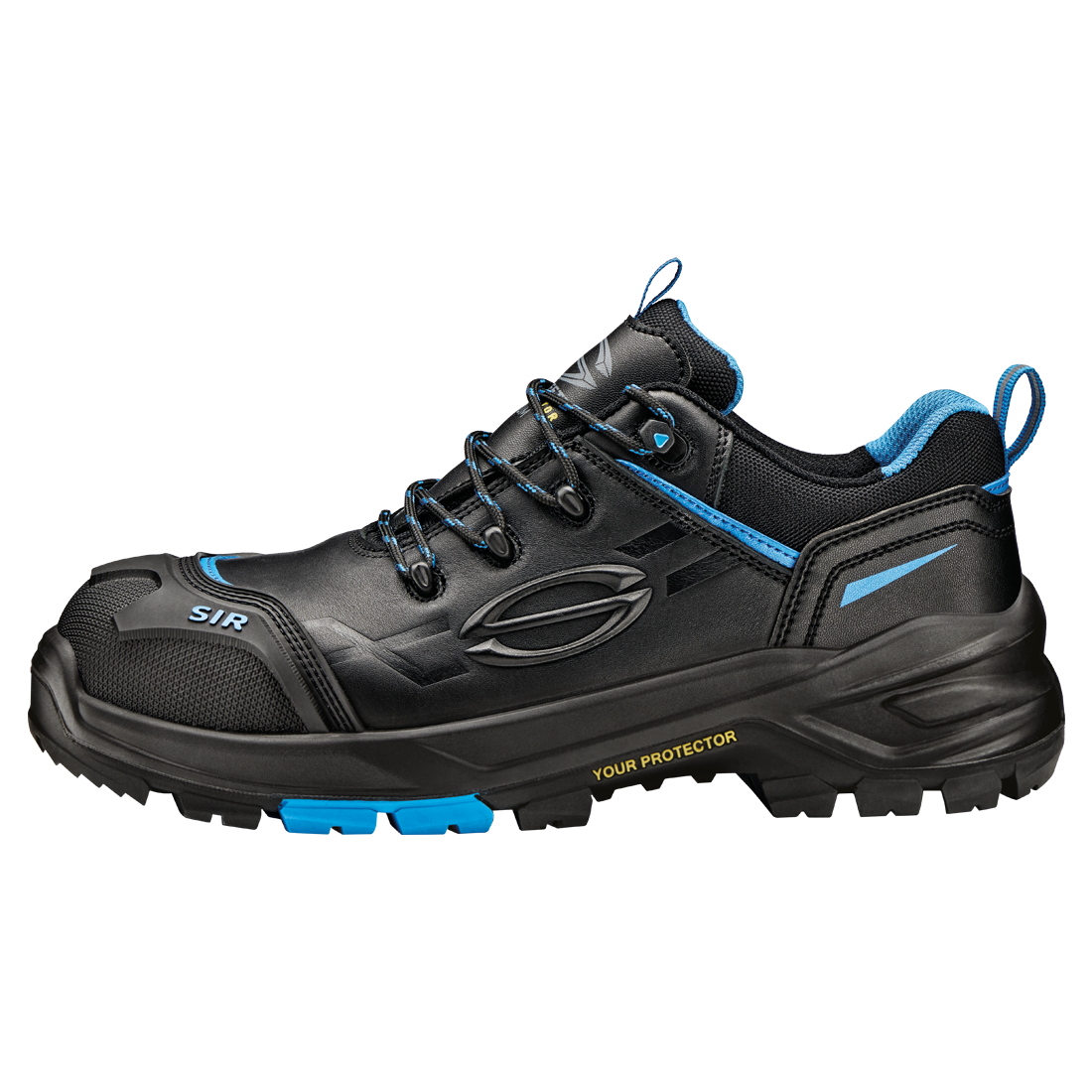
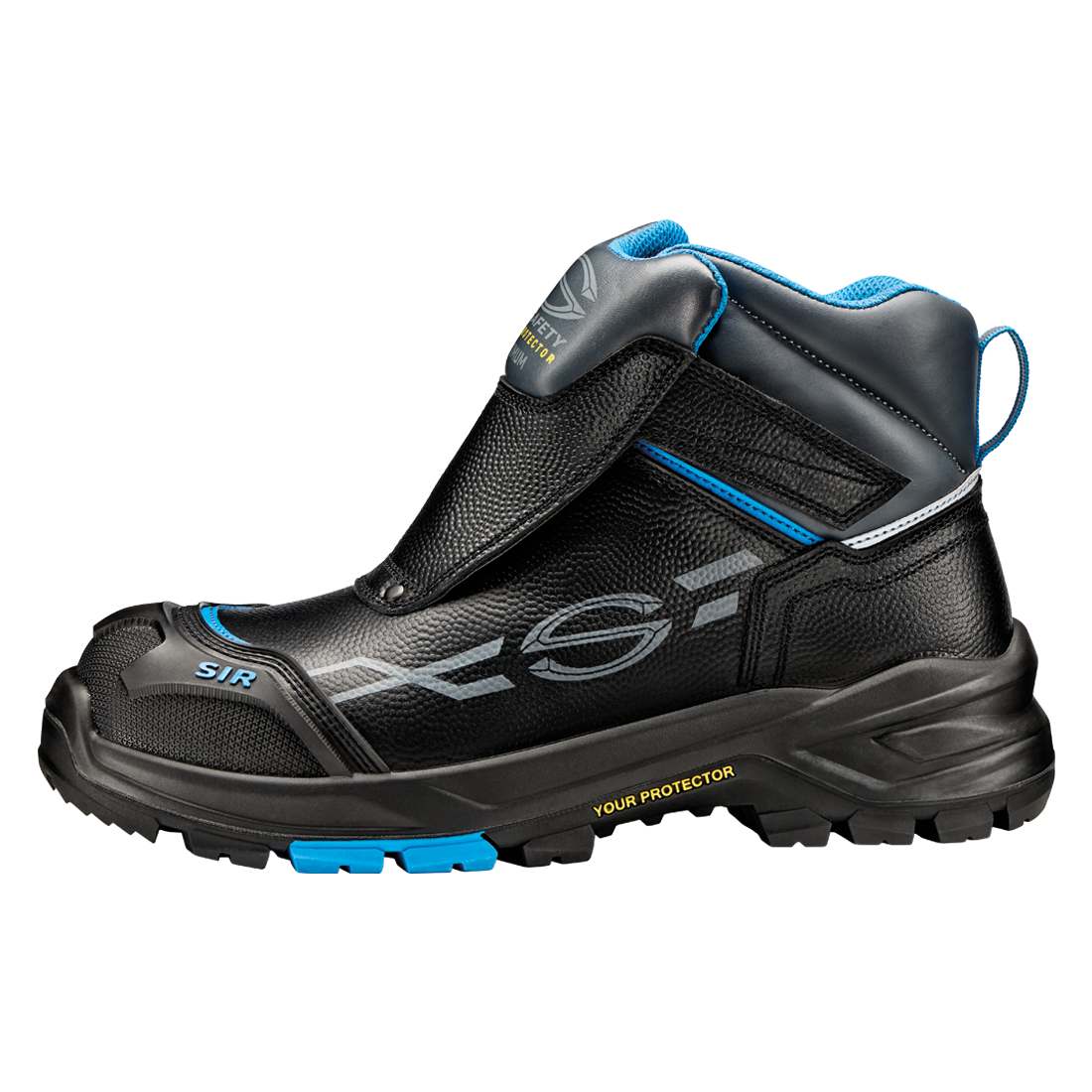
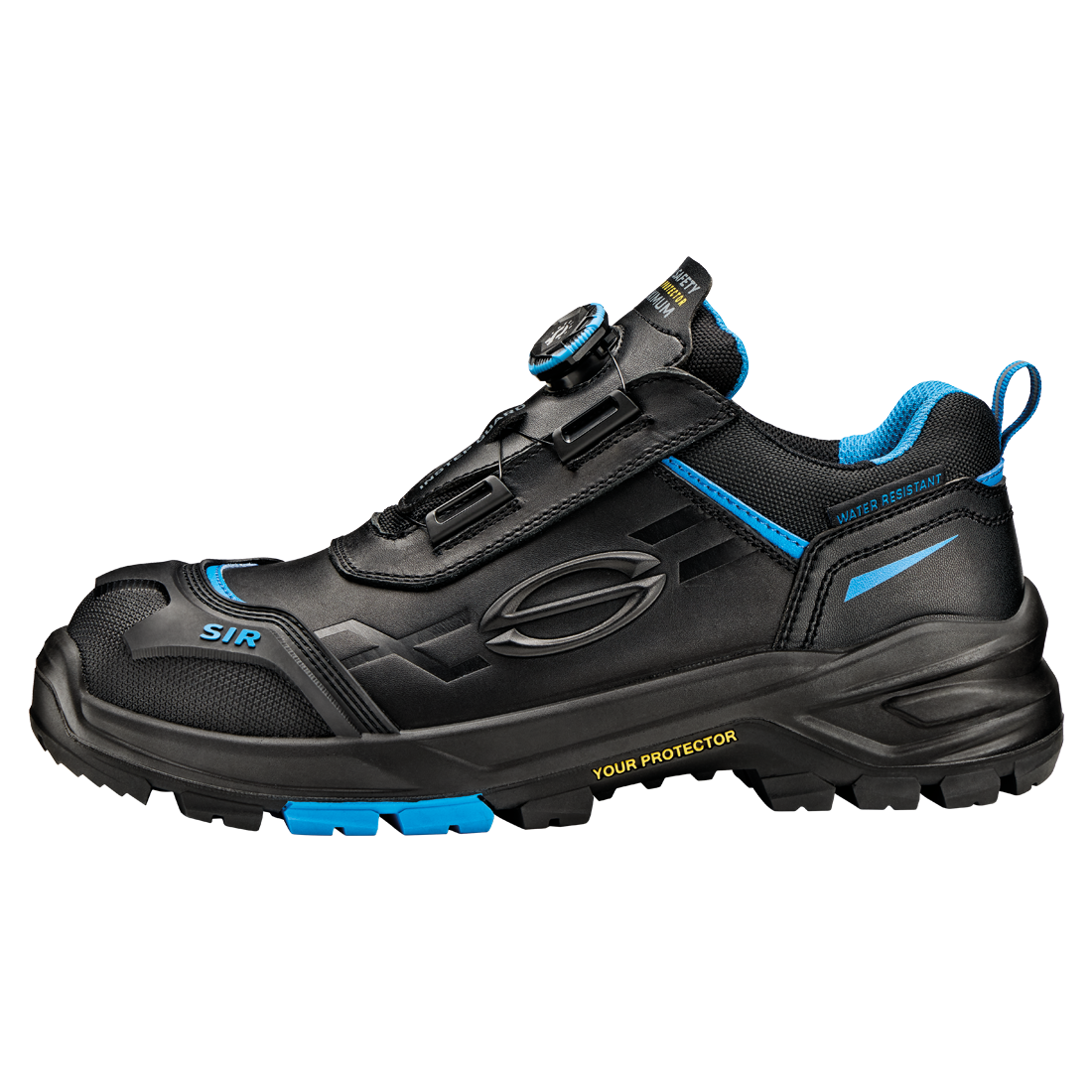
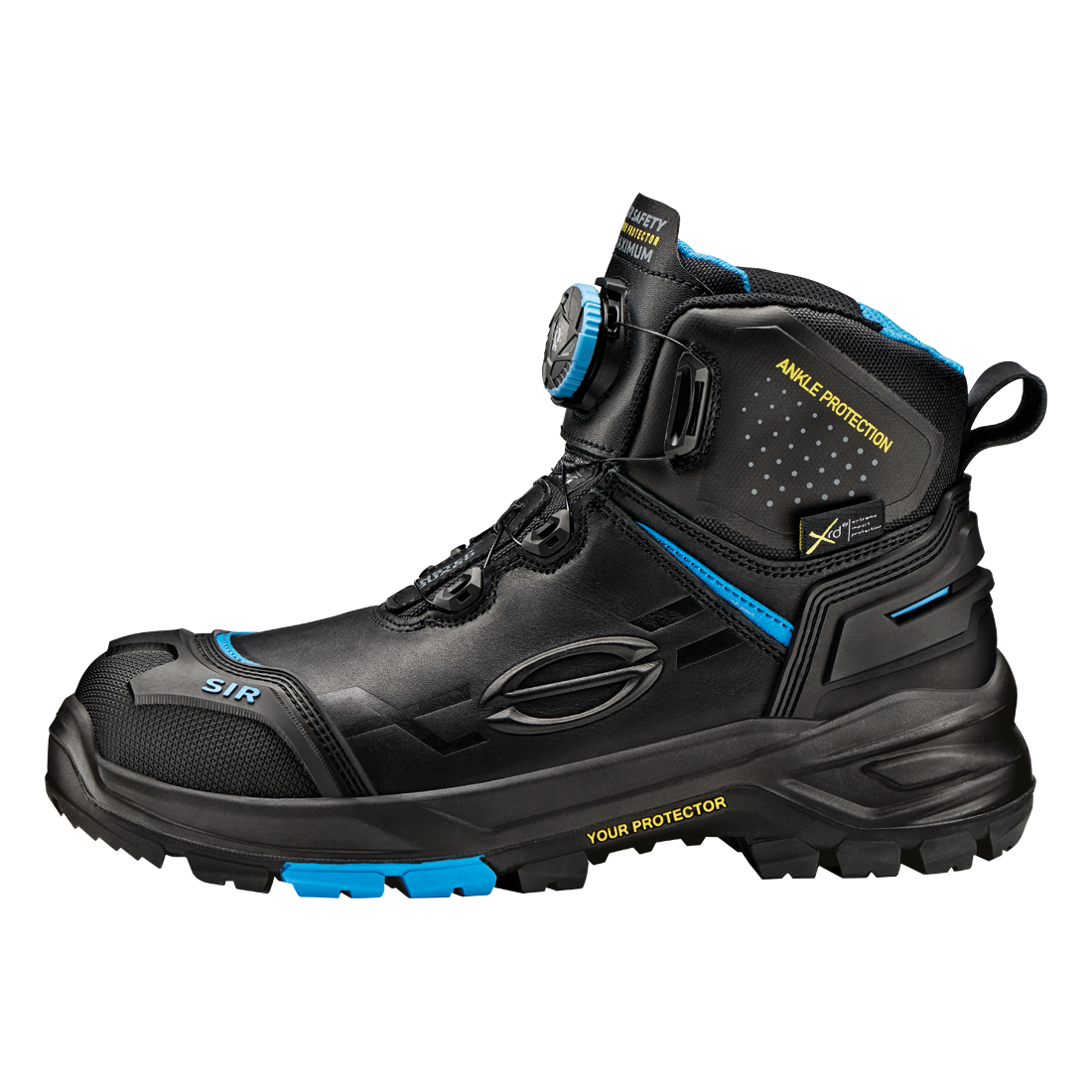
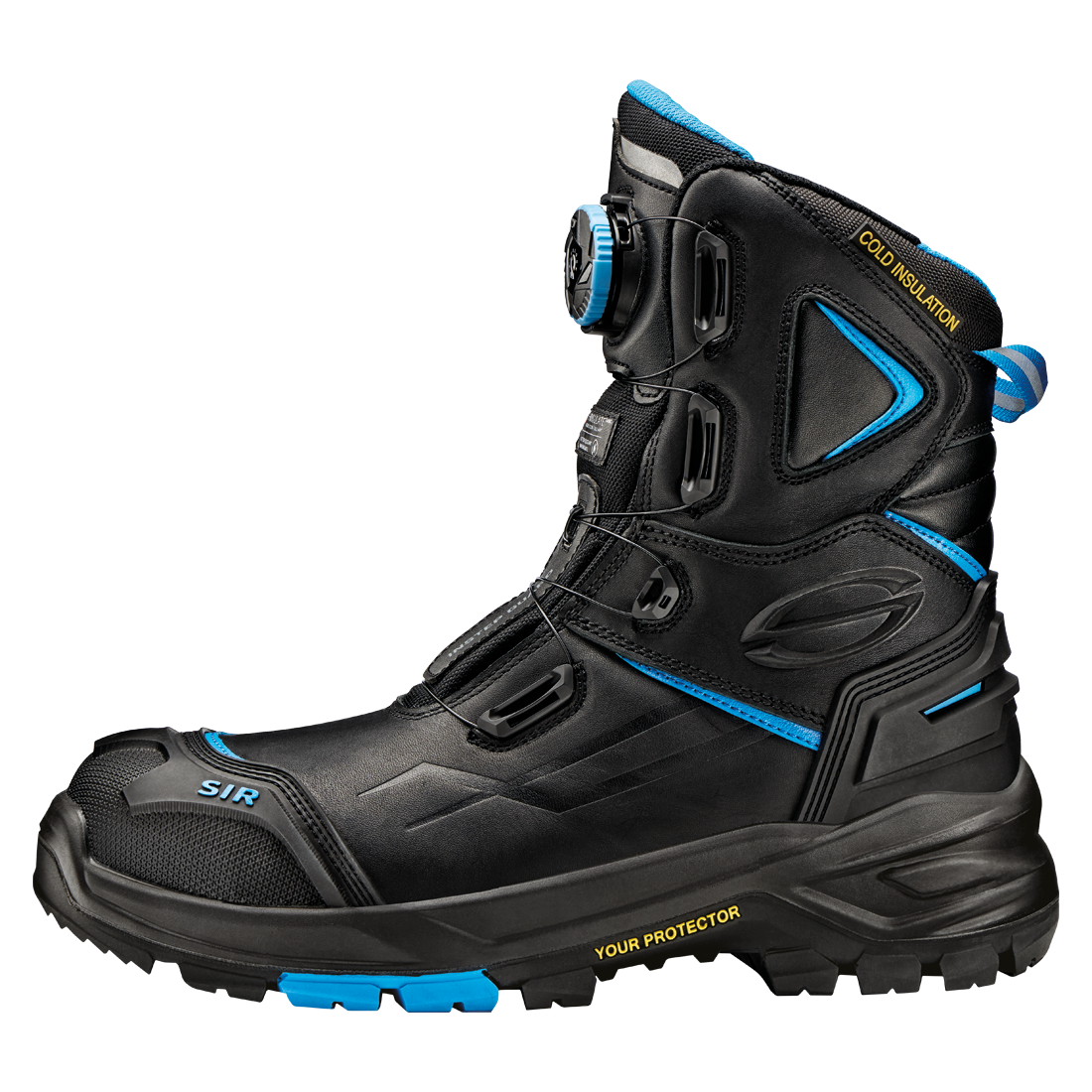
SIR offers solutions designed for environments where the control of electrostatic discharge is a fundamental requirement. Discover our ESD-certified products and choose the solution best suited to the needs of your production environment.




What are ESD products used for?
- protect circuit boards, sensors and microchips
- prevent damage caused by electrostatic discharge
- to maintain the quality of the finished product
- reduce waste, rework and production costs
Industries
- CHEMICAL-PHARMACEUTICAL INDUSTRY
- LIGHT INDUSTRY
- PETROCHEMICAL INDUSTRY
- LOGISTICS
- TERTIARY, TRADES